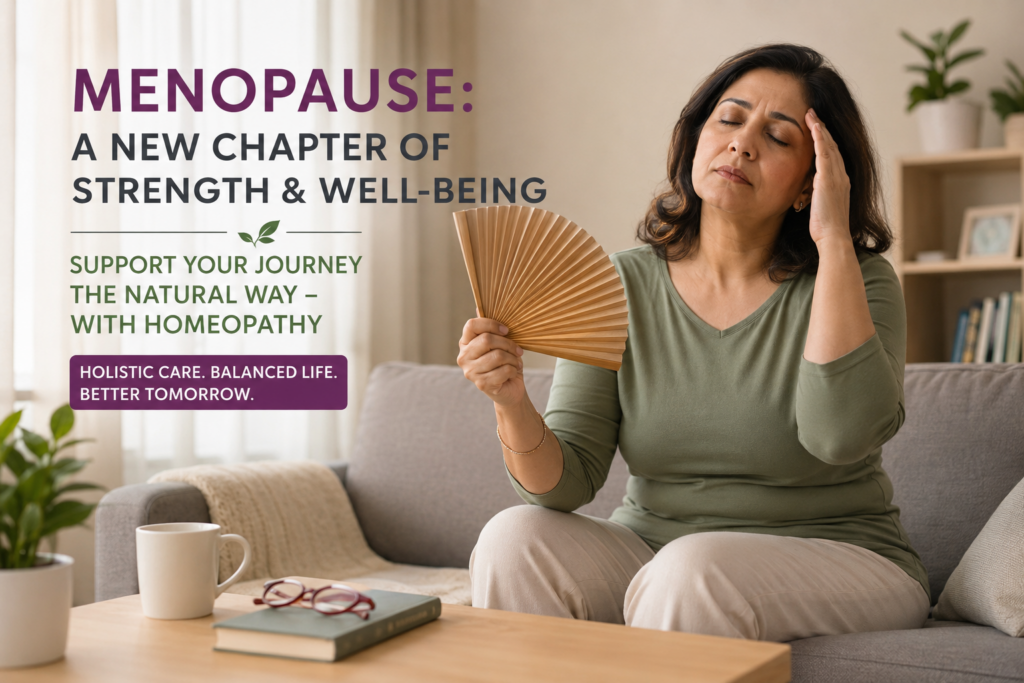
Menopause: A Natural Phase, Not a Disease
Menopause is a natural biological transition that marks the end of a woman’s reproductive years. It is officially diagnosed after 12 consecutive months without a menstrual period and commonly occurs between the ages of 45 and 55 years. While menopause is a normal part of aging, the hormonal changes associated with it can significantly affect physical, emotional, and mental well-being.
Every woman experiences menopause differently. Some may have mild symptoms, while others face challenges that interfere with daily life, work, sleep, and relationships. Understanding this transition and seeking timely support can help women maintain a healthy and fulfilling life.
Common Symptoms of Menopause
As estrogen and progesterone levels decline, women may experience one or more of the following symptoms:
- Hot flashes and night sweats
- Mood swings, irritability, anxiety, or depression
- Sleep disturbances and fatigue
- Headaches and body aches
- Weight gain and bloating
- Vaginal dryness and discomfort
- Joint and muscle pain
- Reduced memory and concentration
- Low libido
- Irregular menstrual cycles during perimenopause
These symptoms vary in intensity and duration and should never be ignored if they are affecting quality of life.
Common Myths About Menopause
Many misconceptions continue to surround menopause.
Myth: Menopause means life becomes unhealthy and unproductive.
Reality: With proper lifestyle changes and appropriate medical care, women can continue to lead active, healthy, and fulfilling lives.
Myth: Pregnancy is impossible during perimenopause.
Reality: Pregnancy can still occur until menopause is confirmed after 12 months without menstruation.
Myth: Weight gain is unavoidable.
Reality: A balanced diet, regular physical activity, strength training, and adequate sleep help maintain a healthy weight.
Myth: Nothing can relieve menopausal symptoms.
Reality: Many women experience significant improvement through lifestyle modification, medical guidance, counseling, and individualized homeopathic treatment under a qualified physician.
The Homeopathic Approach
Homeopathy follows an individualized approach rather than treating menopause as a single condition. A qualified homeopathic physician carefully evaluates the woman’s physical symptoms, emotional state, sleep pattern, medical history, stress factors, and overall constitution before selecting an appropriate remedy.
The aim is to support the body’s natural healing processes and improve overall well-being. Many women seek homeopathic care to help manage symptoms such as hot flashes, mood fluctuations, disturbed sleep, anxiety, and fatigue. However, responses vary from person to person, and homeopathy should complement—not replace—necessary medical evaluation, especially when symptoms are severe or unusual.
Lifestyle Measures That Make a Difference
Simple lifestyle habits can greatly improve menopausal health:
- Eat a balanced, calcium- and protein-rich diet.
- Exercise regularly, including strength training and walking.
- Practice yoga, meditation, or deep breathing for stress management.
- Maintain a healthy body weight.
- Avoid smoking and limit alcohol intake.
- Get regular health check-ups, including bone and heart health assessments.
Final Thoughts
Menopause is not the end of vitality—it is the beginning of a new phase of life. With the right information, healthy lifestyle choices, emotional support, and individualized medical care, women can navigate this transition confidently and comfortably.
If menopausal symptoms are affecting your daily life, consult a qualified healthcare professional for proper evaluation and personalized treatment.
Dr. Mukta Gupta
Gupta Homoeo Clinic, Dehradun
📞 8938884408
Online Consultation Available